
How to Repair Lawn Damage After Heavy Rain
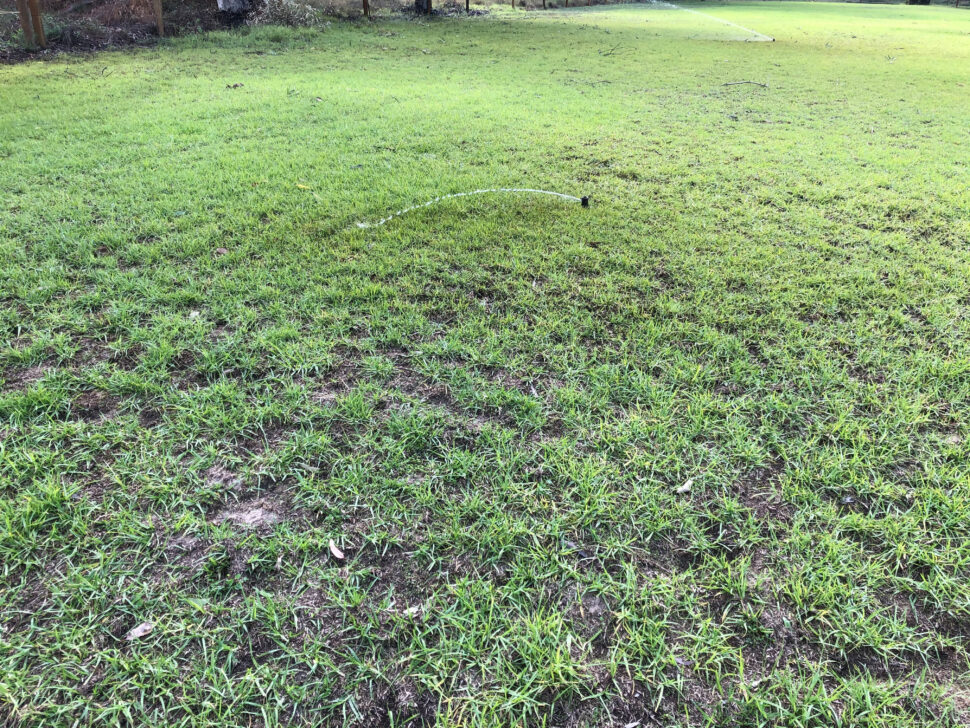
Heavy rain can be just as stressful for a lawn as prolonged dry weather. Too much water in a short period can leave lawns waterlogged, compact the soil, wash away nutrients, and create conditions that encourage disease. If your lawn looks patchy, flattened or discoloured after a storm, acting promptly can prevent long-term damage.
For Perth homeowners, common turf health problems often become more visible after heavy rainfall. Although the city’s sandy soils usually drain well, intense downpours can still lead to waterlogging, compaction, and nutrient loss, particularly in low-lying areas or where soil has compacted over time. Understanding how to repair lawn damage after heavy rain, including waterlogged lawn repair and compaction, helps restore your lawn faster.
How to Tell if Heavy Rain Has Damaged Your Lawn
Not every lawn looks perfect immediately after rain, and some discolouration resolves naturally as conditions dry. However, certain signs indicate the lawn needs active repair.
Look for:
- Standing water remaining for several hours after rainfall has stopped
- Yellow or brown patches developing a few days after the event
- Soft, spongy or muddy areas underfoot that show boot impressions
- Bare patches where soil has washed away, or grass has been displaced
- Fungal growth or unusual discolouration, circular patterns, or unusual colour changes on the leaf
- Increased weed presence in weakened or bare areas
One of the most common signs of lawn damage after heavy rain is yellowing. When soil stays saturated, oxygen levels around the roots decrease, making it harder for grass to absorb nutrients and maintain colour. If water pools in the same spot after every rainfall event, drainage improvement is more important than simply waiting for recovery.
6 Steps to Repair Lawn Damage After Heavy Rain
1. Stay Off the Lawn Until It Dries
The first step in any heavy rain lawn repair is to allow the lawn to drain naturally before beginning any maintenance.
Wet soil compacts very easily. Every footprint on saturated turf adds stress to grass that might otherwise recover on its own. If access is essential, use existing paths or stepping stones to minimise pressure on the lawn. Wait until the soil feels firm rather than spongy underfoot before beginning repair work.
2. Remove Debris and Check for Damage
Once the lawn has firmed up, clear any leaves, branches or debris that have washed onto the turf. Material left sitting on the lawn blocks sunlight, traps moisture and increases the risk of fungal disease in damp conditions.
While clearing, check for lifted or displaced turf, washed-out soil around edges, bare patches and any signs of disease, patches that appear to be spreading or have unusual colour patterns. Areas that repeatedly collect water after every rain event may need drainage improvement before the next wet season.
3. Improve Soil Drainage and Aeration
Compacted soil is one of the main reasons lawns become waterlogged. When soil cannot drain, roots lose access to the air and nutrients they need for recovery.
Aerate affected areas using a garden fork, pushing the prongs into the soil to create channels for air, water and nutrients. Greenacres’ winter lawn care guidance recommends aerating before the wet season specifically to improve drainage, and notes that lawns experiencing heavy summer rain particularly benefit from this step.
An important Perth-specific point: as sandy soil dries after heavy rain, it can become hydrophobic; water beads on the surface rather than soaking through. Applying a soil wetter after aeration restores water penetration to the root zone. Also check that drainage slopes direct water away from the lawn rather than toward low spots, as this prevents repeat pooling. These steps together create lasting lawn solutions that hold up through future wet periods.
4. Repair Bare or Damaged Areas
Once drainage has been addressed, assess which sections need active repair.
Small bare patches often recover naturally; buffalo and kikuyu varieties spread through runners, gradually filling minor areas as conditions improve. For larger sections where grass has died or washed away, installing fresh roll-on lawn over well-prepared soil gives the fastest, most reliable result. Match the repair turf to the existing variety for consistent appearance and growth.
Before laying replacement turf, remove dead material, loosen the soil, level as needed, and ensure good soil-to-turf contact. Addressing bare areas promptly stops weeds from establishing in open patches.
5. Restore Nutrients
Heavy rain can leach nutrients, particularly nitrogen, through Perth’s sandy soils before the lawn has a chance to absorb them. The result is often pale, yellowing grass and slow recovery even after the lawn has dried out.
Wait until the lawn is dry and actively growing before applying a slow-release NPK fertiliser formulated for WA conditions. Nitrogen supports leaf colour recovery, while potassium improves overall plant resilience. Apply when turf is dry, water in thoroughly, and avoid applying if further heavy rain is forecast. As Greenacres notes on their fertiliser guidance page, consistent seasonal fertilising is key to keeping your lawn healthy year-round.
6. Watch for Lawn Disease
Warm, wet conditions create ideal environments for fungal disease. Greenacres notes that summer rain and humidity in WA each year increase pest and disease pressure, and fungal problems can develop quickly in the aftermath of heavy rain.
Signs of disease include expanding brown or yellow patches, unusual colour patterns and patches that continue declining despite improved drainage. Avoid watering in the evening during recovery, as moisture on the leaf overnight encourages fungal activity. If symptoms continue spreading, seek identification before applying any treatment.
For homeowners with a premium buffalo lawn, varieties like Sir Walter and Palmetto offer better disease resistance than fine-leaf varieties; prompt attention during recovery generally supports good outcomes.
How to Prevent Lawn Damage During Future Heavy Rain
Regular maintenance reduces how much damage heavy rainfall causes in the first place.
Practical steps include:
- Aerate before the wet season; loosening compacted soil improves drainage capacity before winter rain arrives
- Apply a soil wetter when water begins running off rather than penetrating, particularly after the soil has dried out between events
- Maintain recommended mowing heights; a slightly higher mowing height going into winter helps the lawn handle wet conditions
- Fertilise at seasonal changes; a well-nourished lawn recovers faster from weather stress
- Keep gutters and drains clear; blocked drainage around the property can divert runoff directly across the lawn
- Adjust irrigation- once conditions dry, return to Water Corporation roster days
Choosing the Right Turf for Perth Conditions
Turf variety significantly influences how well a lawn handles heavy rain and how quickly it recovers.
A Sir Walter lawn is particularly suited to Perth conditions; its strong root system supports better drainage and recovery, and it tolerates the shaded winter conditions that often accompany wet weather. Palmetto Soft Leaf Buffalo suits shaded or lower-maintenance properties. Village Green Premium Kikuyu offers strong recovery from wear and maintains winter coverage better than couch varieties.
Repairing underlying soil conditions rather than simply replacing damaged turf usually produces better long-term results. Where significant areas have been lost to rain damage, Greenacres Turf Group can help. As WA’s largest turf farm and the only Perth grower producing both Palmetto and Sir Walter, all turf is freshly cut and delivered within 24 hours of harvest. The team provides free guidance on drainage, soil preparation and variety selection, helping Perth homeowners achieve lasting lawn solutions suited to WA’s conditions since 1990.
FAQ
Can grass recover after heavy rain?
Yes. Most healthy lawns recover once excess water drains and correct care, aeration, fertilising and disease monitoring are applied promptly.
Should I mow my lawn after heavy rain?
Wait until the soil is firm and dry enough to walk on without leaving boot impressions. Mow on the highest setting once conditions have improved.
How long does it take for a lawn to recover?
Minor waterlogging typically resolves within one to two weeks. Significant compaction or bare patches may take longer depending on the season and variety.
Why are there brown patches after rain?
Brown patches after rain are commonly caused by waterlogging reducing root oxygen, fungal disease developing in wet conditions, or nutrient leaching through the soil. Identifying the cause guides the right treatment.
Does heavy rain wash fertiliser away?
Yes. Heavy rain can leach nitrogen and other nutrients through Perth’s sandy soils. Applying a slow-release NPK fertiliser once conditions normalise and the lawn is actively growing again helps restore what was lost.