
How to Identify and Fix Common Turf Health Problems Fast
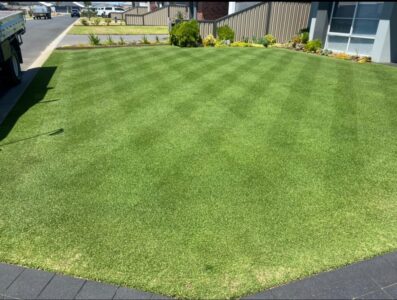
A healthy lawn transforms the appearance of your home; however, even well-maintained turf may develop problems. Yellow patches, thinning grass, weeds, or poor growth can occur, leaving homeowners wondering what went wrong.
The good news is that most lawn issues can be identified early and improved before they become major problems. Understanding the signs of stress, whether caused by heat or dry soil, watering issues, or general maintenance practices, can help you restore your lawn quickly and keep it looking its best year-round.
In many cases, the cause is related to water or heat stress, nutrient levels, or seasonal weather conditions.
These local factors can affect moisture retention, lawn density, colour, and overall performance. Understanding how Perth conditions influence turf health can make identifying and resolving lawn problems much easier.
What are the Signs Your Lawn May Have a Turf Health Problem?
Common signs of turf health problems include:
- Yellow or brown patches
- Thin or bare areas
- Water runoff or pooling
- Excessive weed growth
- Poor colour or slow growth
- Areas that struggle to recover after use
- Curled grass blades
- Dry patches
Spotting these warning signs early often makes treatment simpler and helps prevent minor issues from becoming larger lawn problems.
What are the Common Turf Health Problems and Their Causes?
-
Yellow or Brown Patches
Discoloured patches and brown areas are among the most common lawn concerns reported by homeowners.
In many cases, the cause is related to water stress, nutrient availability, or seasonal weather conditions. Hot weather can place additional pressure on lawns, particularly if watering is inconsistent.
Before assuming the worst, check whether the affected area feels dry beneath the surface. In Perth’s sandy soils, moisture can move through the soil profile quickly, meaning lawns may become stressed even when watering appears adequate.
Improving watering consistency and addressing the source of stress often helps affected areas recover. Applying a wetting agent and/or maintenance fertiliser may be required. Early action is one of the simplest and most effective turf health solutions for preventing further damage.
-
Thin or Bare Areas
When turf begins thinning, it often indicates stress below the surface.
Common causes may include:
- Poor establishment
- Inconsistent watering
- Not enough sunlight
- Heavy foot traffic
Thin areas should be addressed early, as exposed soil creates opportunities for weeds to establish and spread.
Reducing traffic where possible, improving growing conditions, and encouraging healthy root development can help turf regain density over time.
-
Water Runoff and Dry Spots
A lawn can struggle even when it is being watered regularly.
WA’s sandy soils often become water-repellent, especially during summer, making it difficult for moisture to penetrate evenly into the root zone. This can create dry patches even when irrigation appears adequate.
Good turf management practices focus on ensuring water reaches the roots where it is needed most, rather than simply increasing watering frequency.
Applying wetting agents such as Aqua-Force and Bi-Agra will improve moisture retention in your lawn’s root zone and soil, helping water reach where it’s needed most. This reduces the risk of water stress and keeps your lawn healthy, lush and green throughout summer.
-
Weeds Taking Over
Weeds are often a symptom rather than the primary problem.
A dense, healthy lawn naturally competes with weeds. When turf becomes weakened through stress, weeds are more likely to appear.
Addressing the underlying lawn issue is often one of the most effective long-term turf health solutions.
When weeds appear, remove them by hand or, if there are a large number, apply a herbicide.
Greenacres can advise further information, including which herbicide is suitable for your lawn.
-
Slow Growth and Poor Colour
A lawn that looks discoloured, sparse, or slow to recover may be lacking the conditions needed for healthy growth.
Seasonal fertilising, appropriate watering, and regular maintenance all contribute to stronger growth and improved colour throughout the year.
Maintaining a consistent maintenance routine and supporting healthy growth conditions can help restore colour and improve overall lawn performance.
How Effective Turf Management Helps Prevent Problems?
Prevention is often easier than repair.
In Perth and across WA, sandy soils can repel water, and watering restrictions often limit irrigation opportunities. Combined with declining rainfall across southwest WA, these conditions make proactive lawn care and effective turf management even more important.
Consistent turf management helps reduce the likelihood of many common lawn issues developing in the first place.
Key practices include:
- Mowing at the recommended height & frequency
- Correct & consistent watering schedule
- Applying fertiliser at least 4 times a year
- Monitoring lawn condition throughout the year
- Addressing small issues before they spread
For Perth homeowners managing lawns under water restrictions, efficient watering practices become even more important. Deep watering will develop a resilient lawn with strong roots which handle changing seasonal conditions better than one relying on frequent surface watering.
Getting Your Lawn Ready for Spring
Spring lawn care plays an important role in preventing many common turf health issues. As lawns enter their active growing period, homeowners can benefit from reviewing their reticulation system and watering schedules, applying fertiliser, monitoring for weeds, and addressing any worn or damaged areas that developed over winter.
Why Turf Variety Matters?
Different turf varieties respond differently to shade, wear, drought, and seasonal conditions. Understanding the characteristics of your lawn can make problem diagnosis easier and improve long-term turf management outcomes.
Some varieties perform better in shaded environments, while others are better suited to areas receiving full sun. Wear tolerance, drought tolerance, maintenance requirements, and recovery rates can also vary between varieties.
Understanding the characteristics of your lawn can make problem diagnosis much easier and improve overall turf management outcomes.
How to Understand Variety-Specific Performance?
Certain lawn varieties naturally handle some challenges better than others.
For example, kikuyu is often selected for active family areas with pets because of its strong wear tolerance and ability to recover from regular use.
Village Green Premium Kikuyu is a popular choice for homeowners seeking a lawn suited to everyday backyard use.
Buffalo varieties such as Sir Walter Soft Leaf Buffalo and Palmetto are frequently chosen for their shade tolerance and soft, broad leaf texture.
When a lawn is matched to the environment, many common turf problems become easier to prevent and manage over time. Effective turf management starts with selecting a variety that suits the property’s conditions and intended use.
When Should You Repair or Replace Your Lawn?
Not every lawn problem requires complete replacement.
In many cases, improving maintenance practices, addressing watering issues, or repairing small damaged sections can restore lawn health successfully.
However, replacement may be worth considering when:
- Large areas of turf have failed
- The lawn struggles repeatedly despite ongoing care
- The existing variety is poorly suited to site conditions
- Significant renovation would be required to achieve the desired result
Evaluating the condition of the lawn as a whole often helps determine whether repair or replacement is the more practical option.
Why Do Homeowners Turn to Greenacres for Turf Advice?
Sometimes identifying the exact cause of a lawn problem can be challenging.
Greenacres Turf Group has been producing and supplying turf since 2003 and is WA’s largest turf farm. Homeowners can receive expert advice and guidance on lawn installation, maintenance, aftercare, and variety selection specific to local conditions.
Whether you’re dealing with an existing lawn issue or planning a new lawn installation, expert advice can often make the process easier and more successful.
For a quote on turf, lawn care products, or advice on fixing your lawn, call the friendly Greenacres Sales Team on 08 9525 8822 or Request A Quote.
Final Thoughts
Most lawn problems do not appear overnight, and they rarely disappear overnight either. The key is identifying issues early and responding with the right approach.
Whether the issue involves discolouration, watering, weeds, or seasonal stress, simple and consistent turf health solutions often produce the best results over time.
Identifying problems early and responding quickly can prevent small lawn issues from becoming major renovations. Combined with good turf management practices and choosing the right variety for your property’s conditions, homeowners can reduce common lawn problems and improve long-term turf performance.
FAQs
What are the most common turf health problems?
Discolouration, thinning turf, dry spots, weeds, are among the most common lawn issues experienced by homeowners.
How can I improve turf health quickly?
Start by identifying the cause of the problem. Correct watering, mowing, fertilising, and consistent turf management practices often help improve lawn condition over time.
Why does my lawn have brown patches?
Brown patches can result from moisture stress, mowing too low, lawn wear, or other environmental factors affecting turf performance.
Do different turf varieties experience different problems?
Yes. Different turf types have varying levels of shade tolerance, wear tolerance, and maintenance requirements, which can influence how they respond to stress under different environmental conditions.
When should I replace my lawn instead of repairing it?
Replacement may be worth considering when large sections of turf have failed, repeated problems continue despite maintenance, or the existing variety is not suited to the property’s conditions.