
Why Is My New Roll-On Lawn Dying? 9 Common Mistakes to Avoid
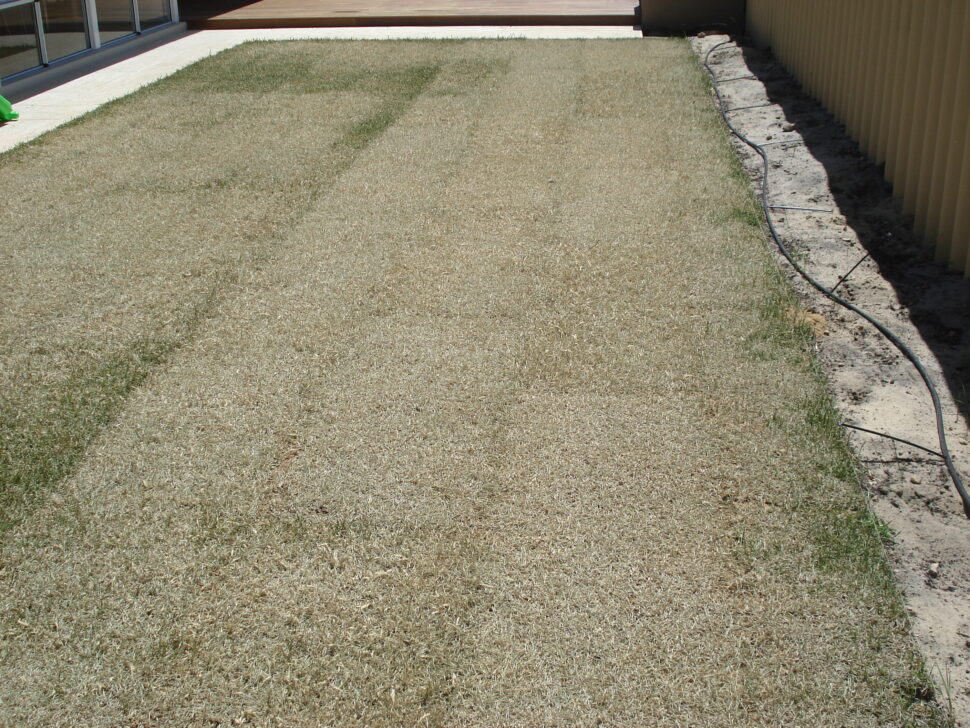
Seeing your new roll-on lawn turn brown just days after installation can be worrying. The good news is that newly laid turf often shows signs of temporary stress while its roots develop, and in most cases, the issue is one or two establishment mistakes that can be corrected before lasting damage occurs.
Whether you’re watering a new roll-on lawn for the first time or noticing the turf turning brown, understanding what causes these early problems gives your lawn the best chance of recovery.
During the first week or two, it is normal for newly laid turf to show some signs of transplant stress while it develops roots into the soil. Temporary yellowing or slight browning doesn’t always mean the lawn is failing. The key is knowing the difference between normal establishment behaviour and signs that corrective action is needed.
Signs Your New Roll On Lawn Is Struggling
Not every colour change means your lawn is failing. The important part is recognising when normal settling becomes a problem that needs attention.
Common signs include:
- Brown or yellow patches: often moisture stress, poor soil contact or gaps between rolls
- Turf edges drying out before the centre: edges are more exposed to wind and heat
- Grass lifting instead of anchoring: a common sign of new turf not rooting properly into the soil
- Soft or soggy areas: a sign of overwatering or poor drainage
- No visible new growth after two weeks: the establishment process may have stalled
Many of these are common turf health problems that can be corrected before permanent damage occurs. Acting early is always easier than repairing a lawn that has deteriorated over several weeks.
9 Common Mistakes That Can Cause New Roll On Lawn to Fail
1. Not Watering Enough During Establishment
The most common reason for a new lawn dying is not enough water during establishment.
Newly laid turf has not yet developed roots into the soil, so both the turf and the soil beneath need to be kept consistently moist while it is still establishing. In Perth’s heat, newly laid turf can dry out within hours if watering is insufficient. Check moisture by gently lifting a corner of the turf; if the soil beneath feels dry, the lawn needs more water.
Before installation, notify the WA Water Corporation to apply for your 30-day new lawn watering exemption, which allows more frequent watering during the establishment period.
2. Overwatering the Lawn
Overwatering creates problems just as serious as underwatering.
Constantly saturated soil makes it harder for roots to get the air they need, leaving turf soft, weak, and more susceptible to disease. Signs of overwatering include water pooling on the surface, constantly soggy or spongy turf, and slow root development despite regular irrigation.
The goal is consistently moist soil, not permanently wet soil. Always check moisture beneath the turf rather than relying on how the surface looks. Gently lift a corner of the turf to check whether moisture has reached the root zone; if it feels dry underneath, the watering schedule needs adjusting.
3. Laying Turf on Poorly Prepared Soil
Even quality turf will struggle if the soil underneath isn’t prepared properly. Good soil preparation is one of the biggest factors influencing successful establishment.
Successful establishment depends on strong contact between the turf and the soil. Compacted ground, poor-quality fill or an uneven surface can all interfere with rooting. Before laying, clear the area of weeds and debris, level it evenly, and build up the soil with a quality sandy loam or lawn mix. Perth’s sandy soils are naturally water repellent, so applying a wetting agent to the prepared soil before laying helps moisture reach the root zone evenly.
4. Delaying Installation After Delivery
Roll-on turf is a living product that loses moisture as soon as it is harvested, which is why Greenacres recommends installing the day of delivery or collection. Left rolled up in warm conditions, the grass deteriorates quickly before it ever reaches the ground.
This is why Greenacres freshly cuts and delivers turf within 24 hours of harvest. If installation must be delayed, keep rolls shaded, cool and lightly watered until they can be laid.
5. Walking on the Lawn Too Soon
Before turf anchors into the soil, foot traffic can shift rolls, create air pockets and disrupt root development. Air pockets prevent roots from making contact with the soil and cause sections to dry out quickly.
Once laid, compact the turfed area with a water roller to improve soil contact and remove air pockets; this is a step Greenacres recommends in their installation guidance. After that, keep children, pets and furniture off the lawn until the turf is rooted firmly and cannot be lifted easily.
6. Mowing Too Early or Too Short
Mowing before the lawn has rooted can pull the turf, disturb developing roots, and slow establishment.
To test readiness, gently pull the turf at the base. If it lifts freely, the roots aren’t ready; wait. If there is resistance, it’s ready to mow on the highest setting. In summer, some varieties may be ready within 7 days of laying. Use sharp mower blades for a clean cut. Avoid removing more than one-third of the leaf blade in a single mow, as cutting too short removes the leaf the plant needs to recover.
7. Applying Fertiliser or Weed Treatments Too Soon
Many homeowners assume fertiliser will speed up establishment, but applying it too early can burn the leaf and stress developing roots.
Greenacres recommends waiting 4–6 weeks after installation before applying a granular slow-release NPK fertiliser. Weed treatments carry the same risk; new turf is in a sensitive phase, and chemical applications before full rooting can cause significant damage. Manage early weed growth by hand where possible.
8. Ignoring Early Signs of Stress
New lawns rarely fail overnight; they usually provide warning signs before significant damage occurs.
Check your lawn every day during the first few weeks. Watch for yellowing or browning patches, dry edges, turf lifting from the soil, uneven growth, or water pooling after irrigation. Identifying these signs early usually prevents larger problems from developing and keeps recovery simple. Small issues are much easier to correct during the establishment period than after the lawn has fully deteriorated.
9. Choosing the Wrong Turf Variety
Correct installation cannot compensate for a variety that doesn’t suit the property’s conditions. Choosing the right variety begins with assessing sunlight levels, expected traffic and maintenance preferences.
Sun levels, expected foot traffic, soil type and maintenance preferences all influence which variety will perform best. Sir Walter Soft Leaf Buffalo performs well in full sun and partial shade and offers strong wear tolerance for family backyards. Village Green Premium Kikuyu suits active areas where fast recovery matters. Palmetto is well suited to shaded properties and those wanting a low-maintenance buffalo lawn. Properties using bore water also benefit from salt-tolerant varieties like Sir Walter.
Choosing the right variety from the beginning is one of the most effective ways of avoiding establishment problems and reducing long-term maintenance.
How to Help a New Roll On Lawn Recover
If your lawn is showing signs of stress, don’t assume it needs replacing. Most newly laid turf recovers well once the underlying cause is corrected.
If your lawn is struggling, work through these checks before considering replacement:
- Check soil moisture beneath the turf: if it’s dry, deep watering should come before anything else
- Test root establishment with a gentle pull; if rolls lift freely, focus on watering and minimise all traffic
- Press down lifted edges to restore soil contact and keep them moist
- Keep foot traffic off until the lawn feels firm and rooted underfoot
- Continue consistent watering and monitor daily until healthy growth resumes
An established Sir Walter lawn or other warm season variety with partial rooting can often fill back in from healthier sections with patience and the right conditions.
Why Choosing Quality Turf Makes a Difference
Establishment success starts before the first watering. A professionally grown roll-on lawn that arrives fresh gives every installation the best possible foundation.
Greenacres Turf Group has been growing premium turf in Western Australia since 1990. As WA’s largest turf farm and the only Perth grower producing both Palmetto and Sir Walter, all turf is freshly cut and delivered within 24 hours of harvest. Every purchase includes a comprehensive installation and maintenance guide alongside free follow-up phone support, helping homeowners through every stage of establishment and keeping your lawn healthy year-round.
If you’re unsure what’s causing the problem, Greenacres can help identify the issue before it becomes more difficult to correct. Starting with quality turf, proper preparation and the right advice from day one gives your lawn the strongest foundation for long-term success.
FAQ
How long does a new roll-on lawn take to establish?
Most roll-on lawns begin to root within 2–3 weeks, with full establishment typically taking 6-12 months for a strong root system depending on the variety, season and ongoing care.
Can a brown roll-on lawn recover?
Yes. Many lawns recover once the cause is identified and corrected early; watering issues, soil moisture problems or poor soil contact are usually fixable before permanent damage sets in.
How often should I water newly laid turf?
New turf needs light, frequent waterings to keep the turf and underlying soil consistently moist. Follow the Greenacres watering guide included with your delivery for a schedule suited to the season.
When can I mow a new lawn?
Test by gently pulling the turf at the base; if there is resistance, the lawn is ready to mow on the highest setting, with some varieties ready within 7 days in summer.
Why are the edges of my new turf turning brown?
Edges dry out faster than the centre as they are more exposed to sun and wind; give them extra attention during watering and avoid leaving small offcut pieces at outer edges during installation.