Armyworm Outbreak – Is Your Lawn at Risk?
Armyworm Season Has Started Early in Perth.
Armyworm/Cutworm season has started earlier than usual this year, with confirmed attacks already reported from Mandurah through to Alkimos. Normally this kind of activity does not show up until March or April, after the first summer rains. This year is different.
Recent cyclone activity and strong northern winds have pushed Armyworm/Cutworm moths much further south, much earlier than normal. Combined with the extreme weather Perth has experienced recently, conditions are perfect for an outbreak.
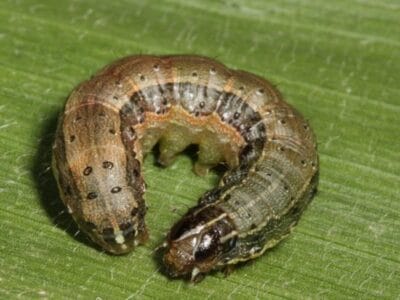
Armyworm
Why Are There So Many White Moths Around Right Now?
Have you noticed more white moths flying around your lawn at night?
That is one of the biggest early warning signs.
White moths are drawn to moisture and green grass, which means healthy, well-watered lawns are often targeted first. After heavy rain, humidity, and warm nights, moth activity can increase dramatically. More moths usually means more cutworm eggs being laid.
And once those eggs hatch, damage can happen fast.
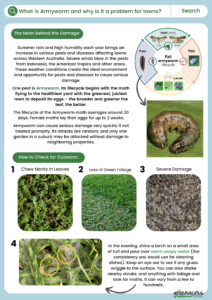
How Do I Know If I Have Armyworm?
This is the most common question we are hearing right now.
Look out for these signs in your lawn or garden:
1.Grass Blades Look Chewed, Torn, or Ragged
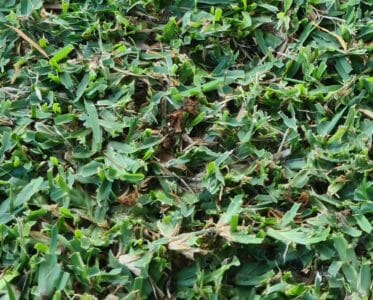
Leaf Chew Marks from Armyworm
2. Rapid Loss of Green Foliage (usually in a wave pattern)

Loss of Foliage from Armyworm
3. Loss of Colour, Dying Patches
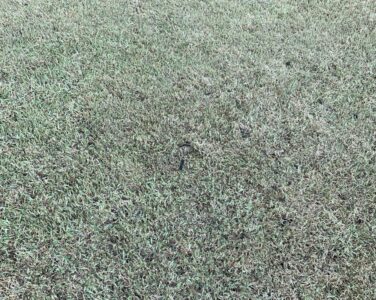
Loss of Colour from Armyworm
4. Severe Damage, No Greenery Left
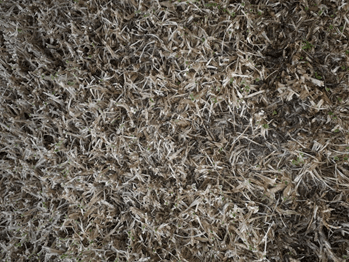
Severe Damage by Armyworm
Cutworm damage often looks random. One lawn in a street can be badly affected while the neighbours look fine. That makes it easy to miss or dismiss early on.
How Do I Check For Armyworm?
The soapy water test is the easiest way to confirm whether grubs are present. It works best in the evening.
Here is how to do it:
1. Shine a torch over a small section of turf
2. Mix warm water with dish soap at normal washing strength
3. Pour it over the grass
4. If Armyworm or Cutworm larvae are present, they will wriggle up to the surface
You can also shake nearby shrubs or foliage and watch for moths. Sometimes you will see only a few. Other times, there can be heaps.
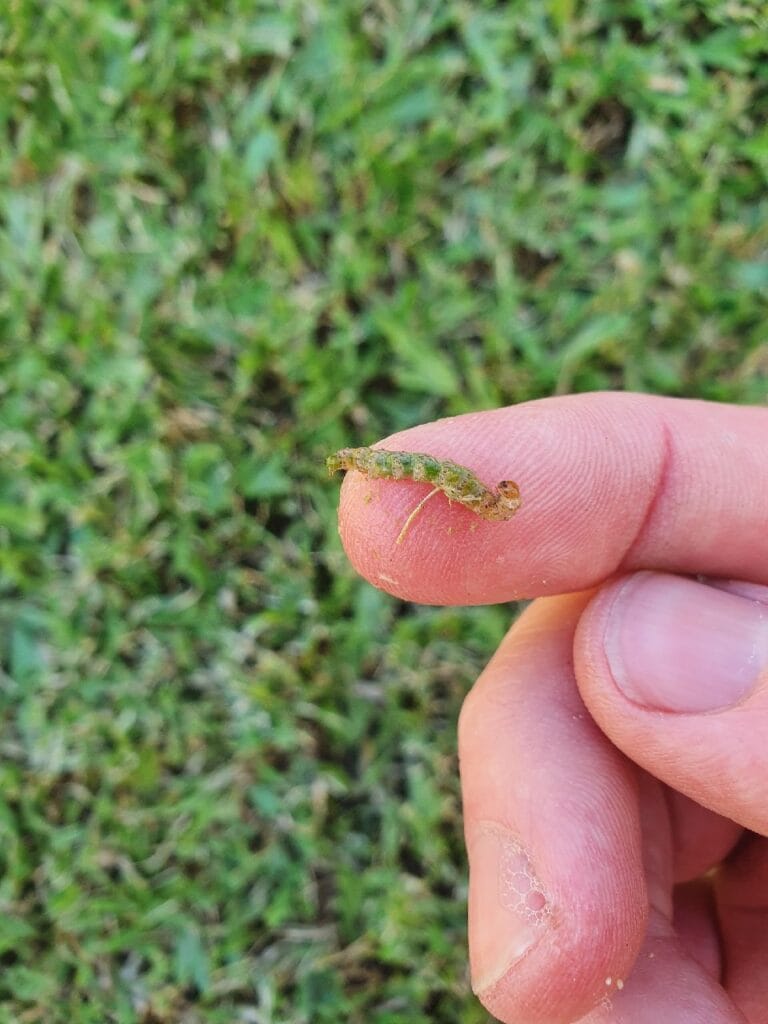
Cutworm/Armyworm Found After Soapy Water Test
What Is Armyworm?
Armyworm is very similar to cutworm. The lifecycle begins when a moth flies into the healthiest yard it can find and lays eggs. The greener and broader the grass leaf, the better.
Their lifecycle averages around 30 days, and female moths lay eggs over about two weeks. Once the larvae hatch, they feed aggressively on turf, often at night or early morning.
We are already hearing of confirmed Armyworm/Cutworm cases across WA this year, which confirms this is a widespread issue and not just isolated properties.
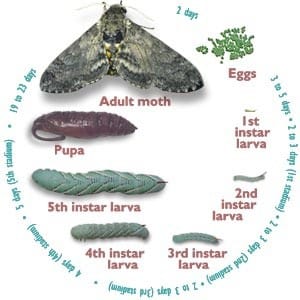
Armyworm Life Cycle
How Quickly Can Armyworm Damage a Lawn?
Very quickly.
Armyworm and cutworm damage can escalate in a matter of days if not treated promptly. Because attacks are random and often unseen at first, many people do not realise what is happening until large areas of turf are affected.
Early action makes a huge difference.
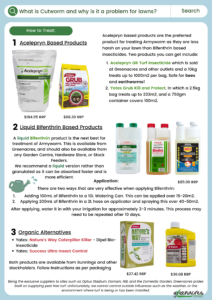
How Do I Treat Armyworm?
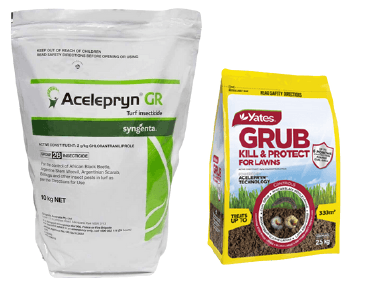
Acelepryn-Based Products
Acelepryn-based insecticides are the preferred treatment for Armyworm and Cutworm. They are effective while being less harsh on your lawn and beneficial insects.
Options include:
• Acelepryn GR Turf Insecticide
Available from Greenacres and other outlets
10kg treats up to 1000m² per bag
Safe for bees and earthworms
• Yates Grub Kill and Protect
2.5kg bag treats up to 333m²
750g container covers 100m²
Liquid Bifenthrin Products
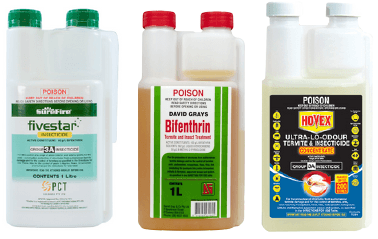
Liquid Bifenthrin-based insecticides are the next best option and are widely available from garden centres, hardware stores, and stock feeders.
Liquid products are recommended over granules because they absorb faster and work more efficiently.
Two effective application methods include:
Add 100mL of Bifenthrin to a 10L watering can and apply over 15 to 20m²
Apply 200mL of Bifenthrin in a 2L hose-on applicator over 40 to 50m²
After application, water the area for around 2 to 3 minutes. Treatment may need to be repeated after 10 days.
Organic Alternatives
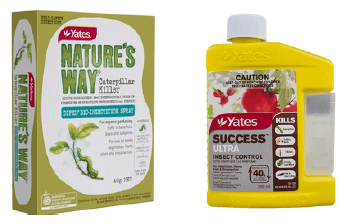
If you prefer organic options, these products are commonly used:
• Yates Nature’s Way Caterpillar Killer Dipel Bio-Insecticide• Yates Success Ultra Insect Control
Both are available from Bunnings and other stockists. Always follow label instructions.
What Should I Do If I Think I Have Armyworm?
If you suspect Cutworm activity, acting early is critical. Do not wait for damage to get worse, as lawns can decline rapidly once larvae are active.
Start by confirming their presence using the soapy water test, then apply treatment as soon as possible.
Even small infestations can spread quickly across healthy turf. Continue monitoring your lawn over the following two weeks, especially after warm nights or rainfall. If moth activity continues, a follow-up treatment may be required.
Early detection and prompt action can be the difference between a minor repair and widespread lawn loss.
To download this pdf use this link: What is Cutworm